History
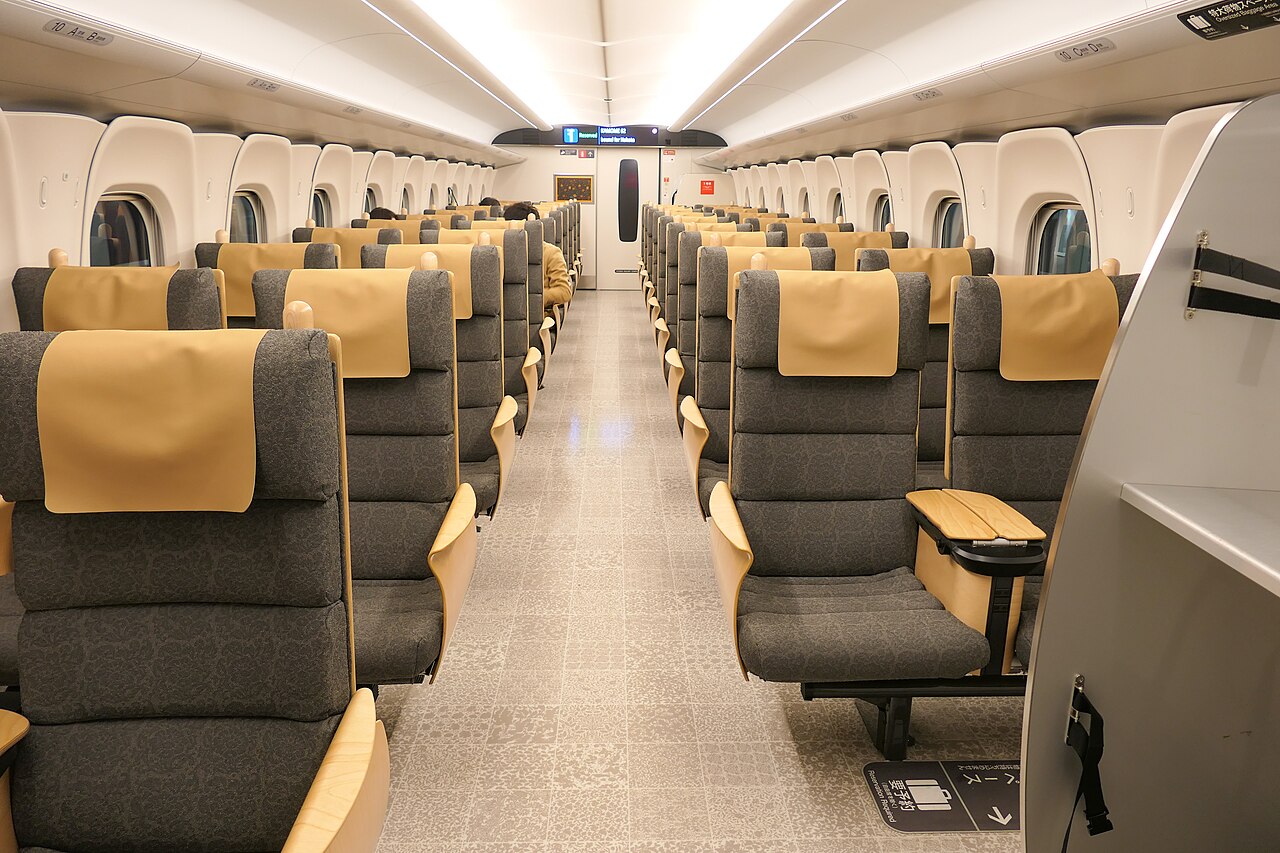
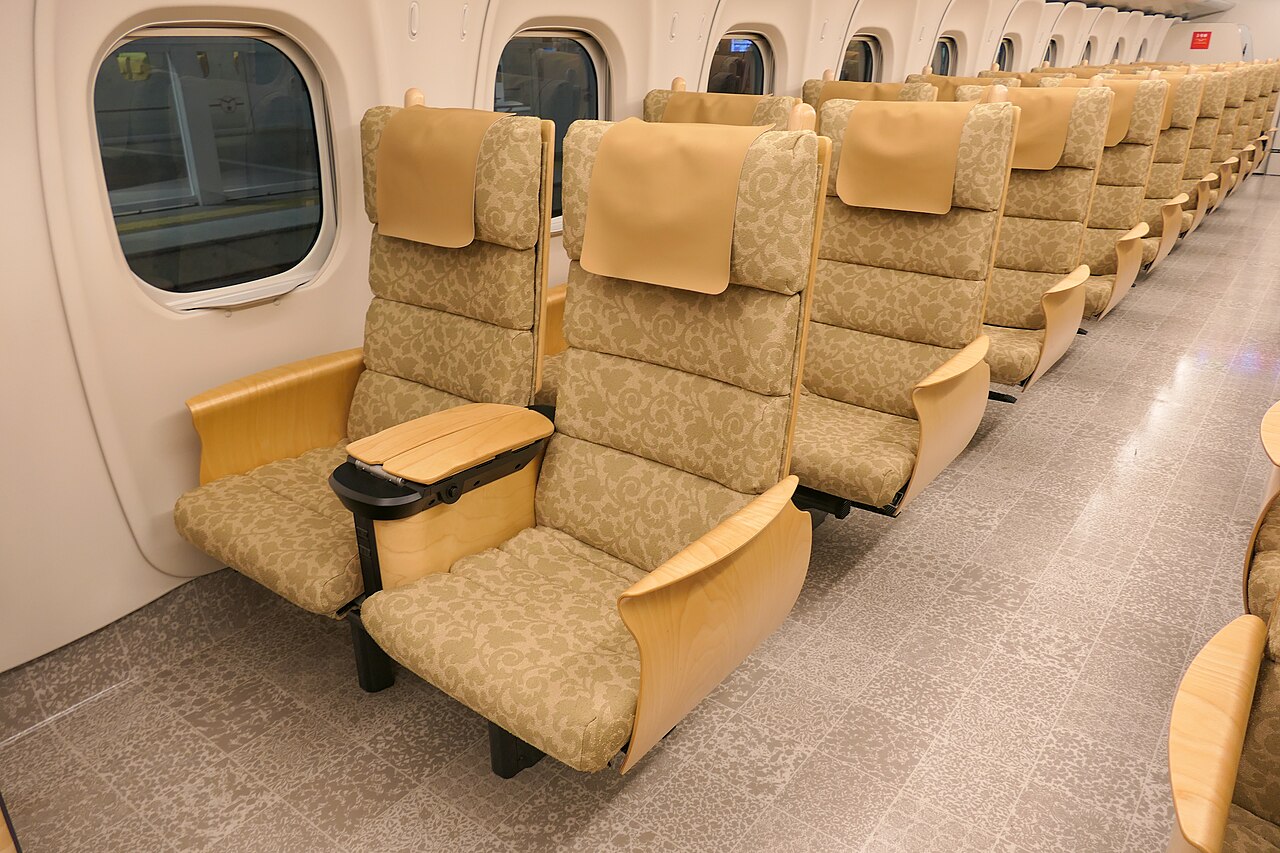
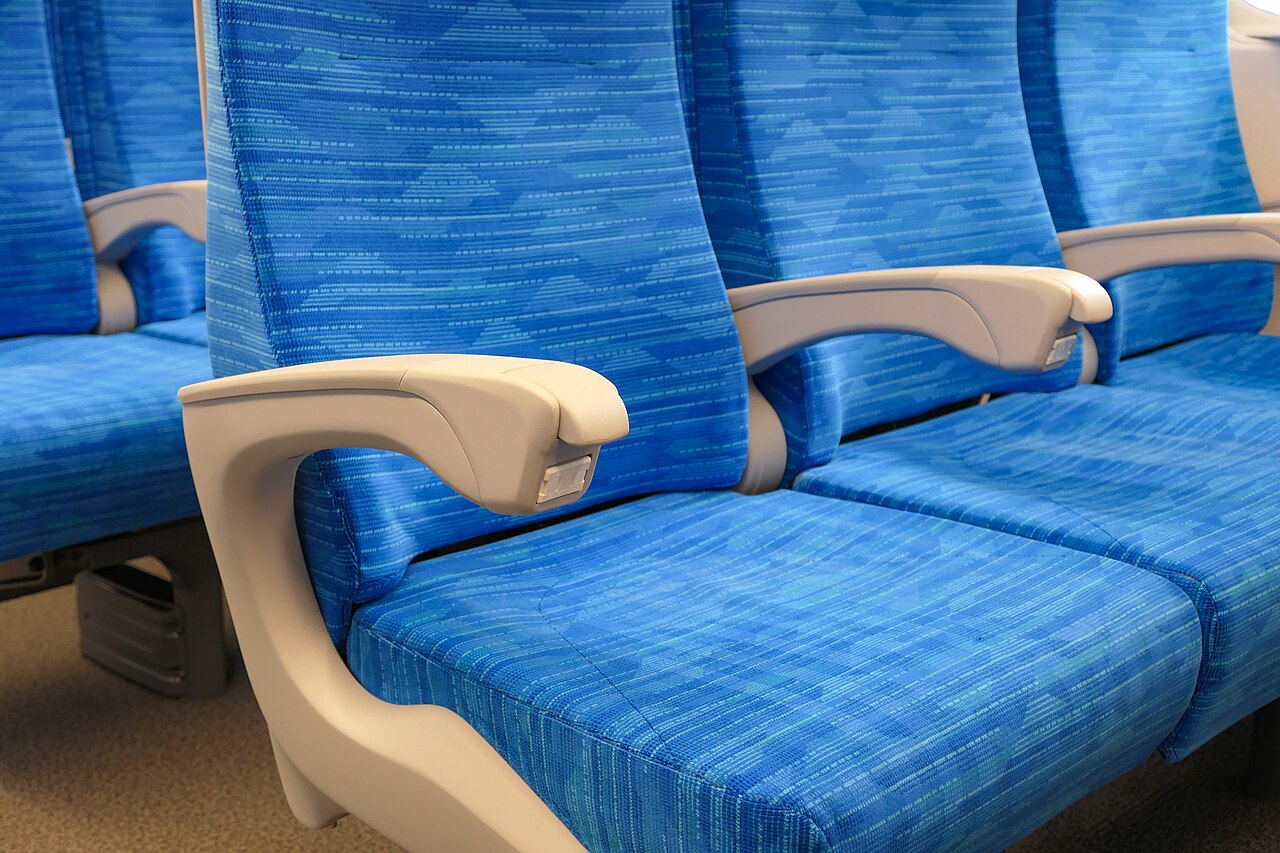
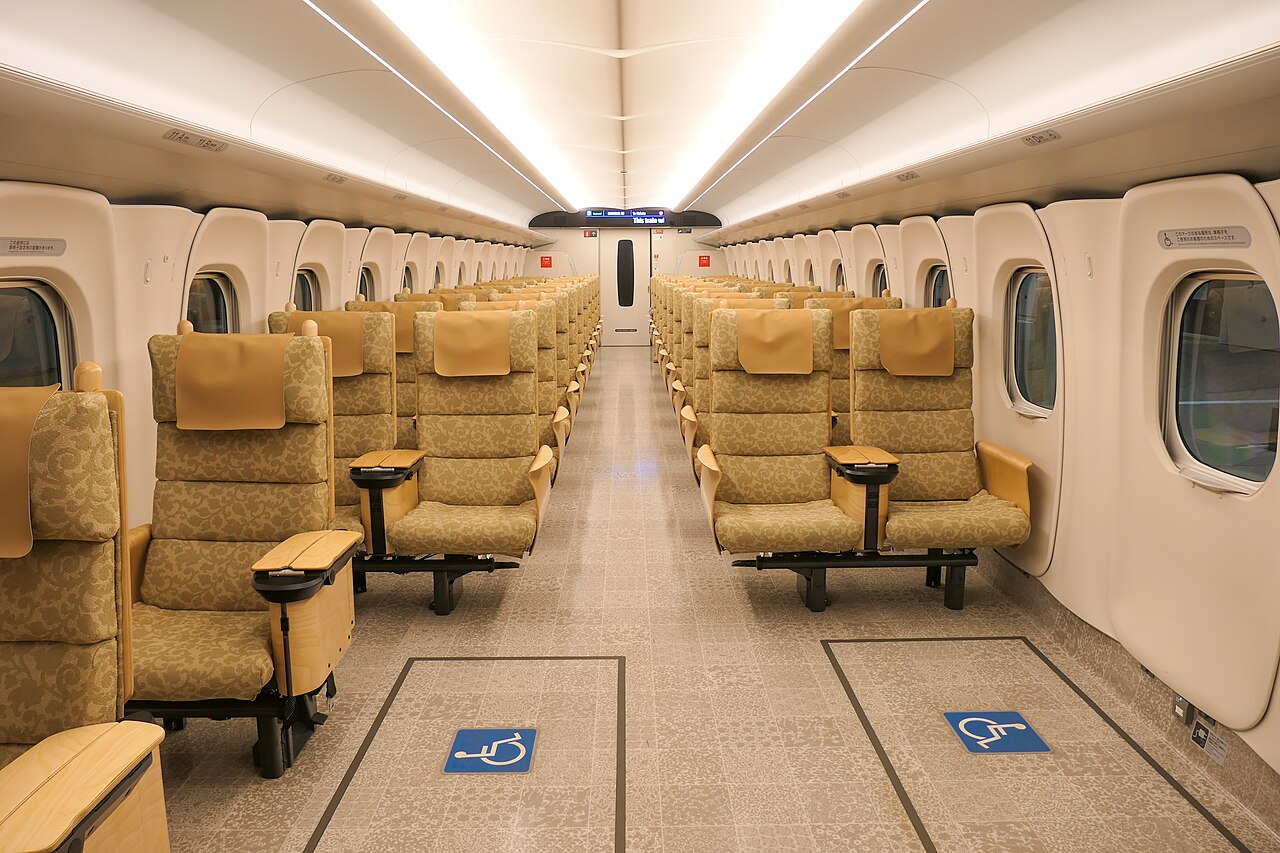
The N700S introduced several engineering advances over its predecessors. Its traction system incorporates silicon carbide (SiC) power semiconductors, which generate less heat than conventional components and enable the elimination of forced-air cooling fans, reducing power consumption by approximately 7 percent. Green cars are fitted with a fully active damping control system for improved ride quality, while ordinary-class cars provide AC power outlets at every seat. The braking system was refined to reduce emergency stopping distances by 5 percent compared to earlier series.
The series' most distinctive safety feature is a lithium-titanate battery system built by Toshiba. In the event of a power disruption, the batteries allow the train to operate under its own power at low speed, enabling it to reach a safe location for passenger evacuation — a capability described in the article as being achieved for the first time at high-speed railway scale.
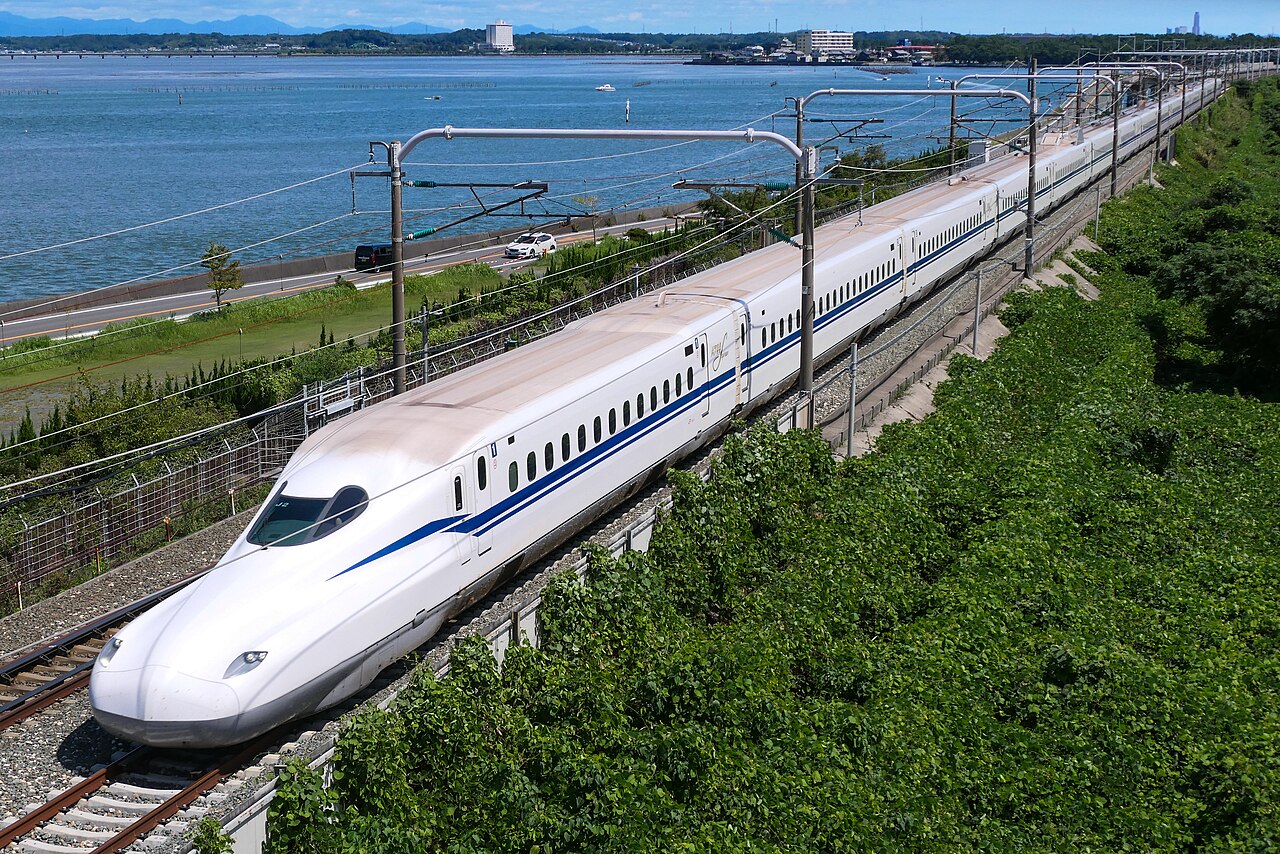
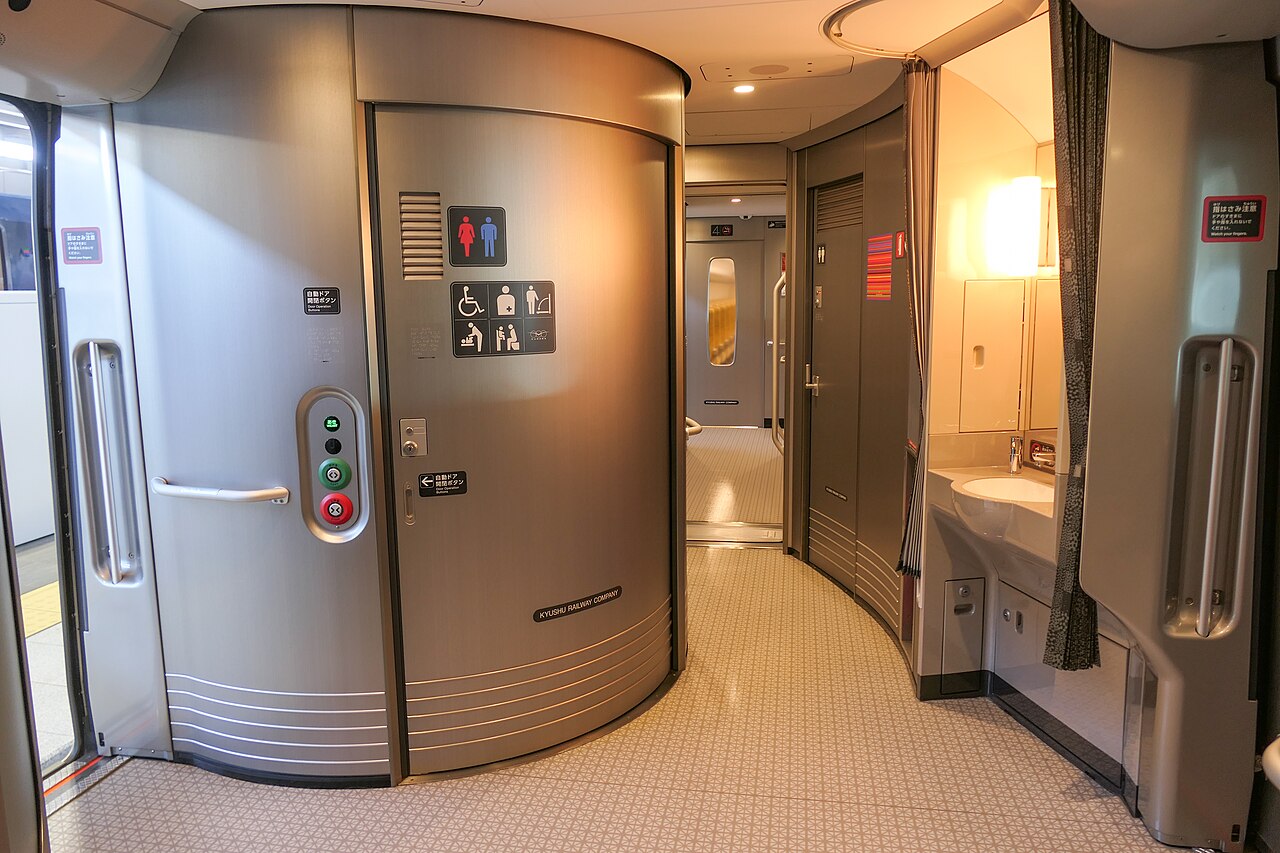
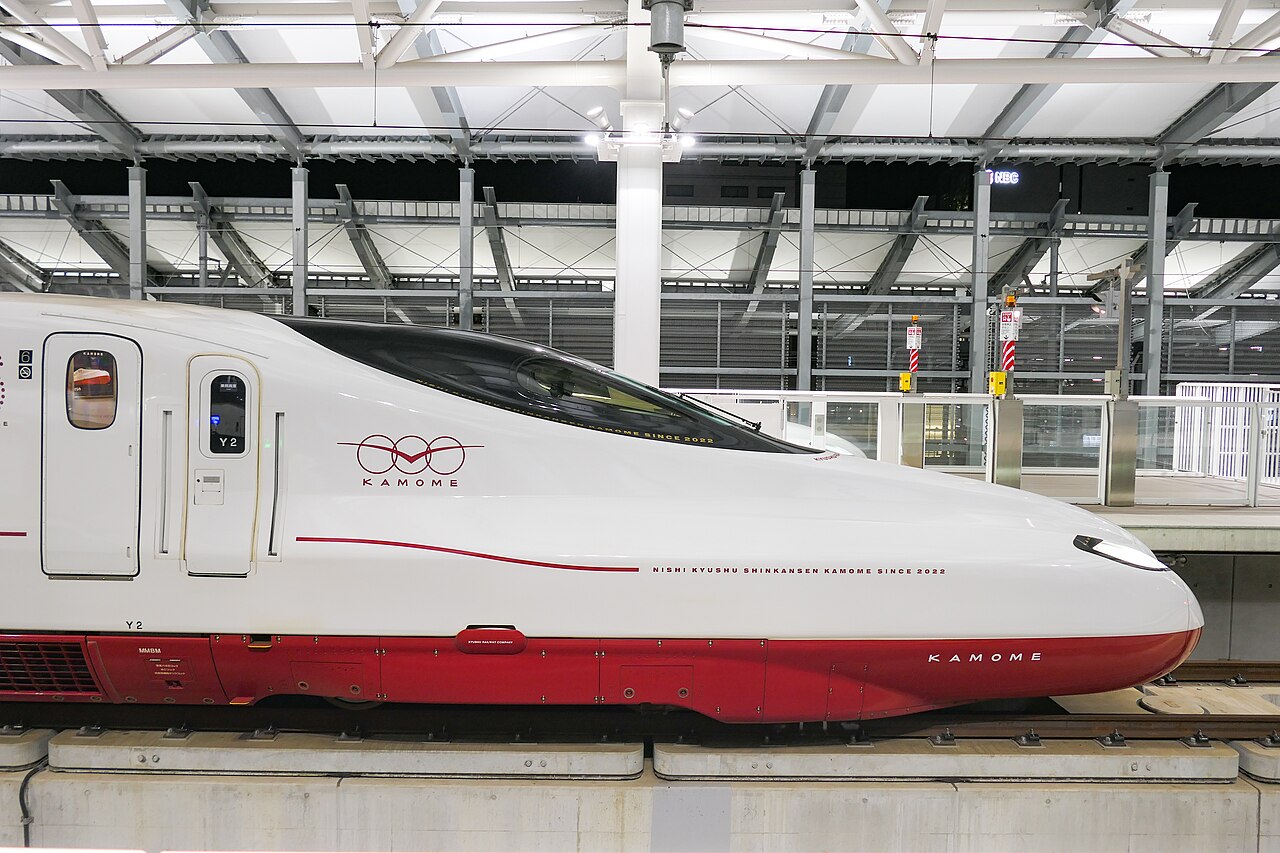
The first full-production J set (J1) was delivered to JR Central in April 2020. Revenue service began on 1 July 2020 on the Tokaido Shinkansen, operated by JR Central. JR West introduced its 16-car H sets from 13 March 2021 on the Sanyo Shinkansen. A 6-car variant (Y sets) built for JR Kyushu entered service on the newly opened Nishi-Kyushu Shinkansen on 23 September 2022, making the N700S the inaugural rolling stock for that line. As of the article date, the combined fleet across all three operators totals 56 sets and 926 cars.
An export derivative, designated N700ST, is under order for Taiwan High Speed Rail. Twelve 12-car sets (144 cars total) are planned, with the first set expected to arrive in Taiwan in August 2026 and revenue service scheduled to begin in the second half of 2027. In 2021, the N700S was awarded the Laurel Prize by the Japan Railfan Club.
Timeline
- 2016JR Central announces development of the N700S prototype in June.
- 2018Prototype set J0 unveiled at Hamamatsu depot on 10 March; test running begins 20 March.
- 2019High-speed trials reach 363 km/h on the Tokaido Shinkansen.
- 2020First production set J1 delivered in April; revenue service begins 1 July on Tokaido Shinkansen under JR Central.
- 2021JR West introduces N700S H sets on Sanyo Shinkansen from 13 March. N700S awarded Laurel Prize by Japan Railfan Club.
- 20226-car Y sets enter service on Nishi-Kyushu Shinkansen on 23 September, making N700S the line's inaugural rolling stock.
- 2027Revenue service for export variant N700ST on Taiwan High Speed Rail scheduled to begin (second half of year).
Sources
Facts last verified 3 June 2026.
Gallery 6 photos
Every photo for this page — tap any image to view it full-size. All from Wikimedia Commons (credit under each).