History
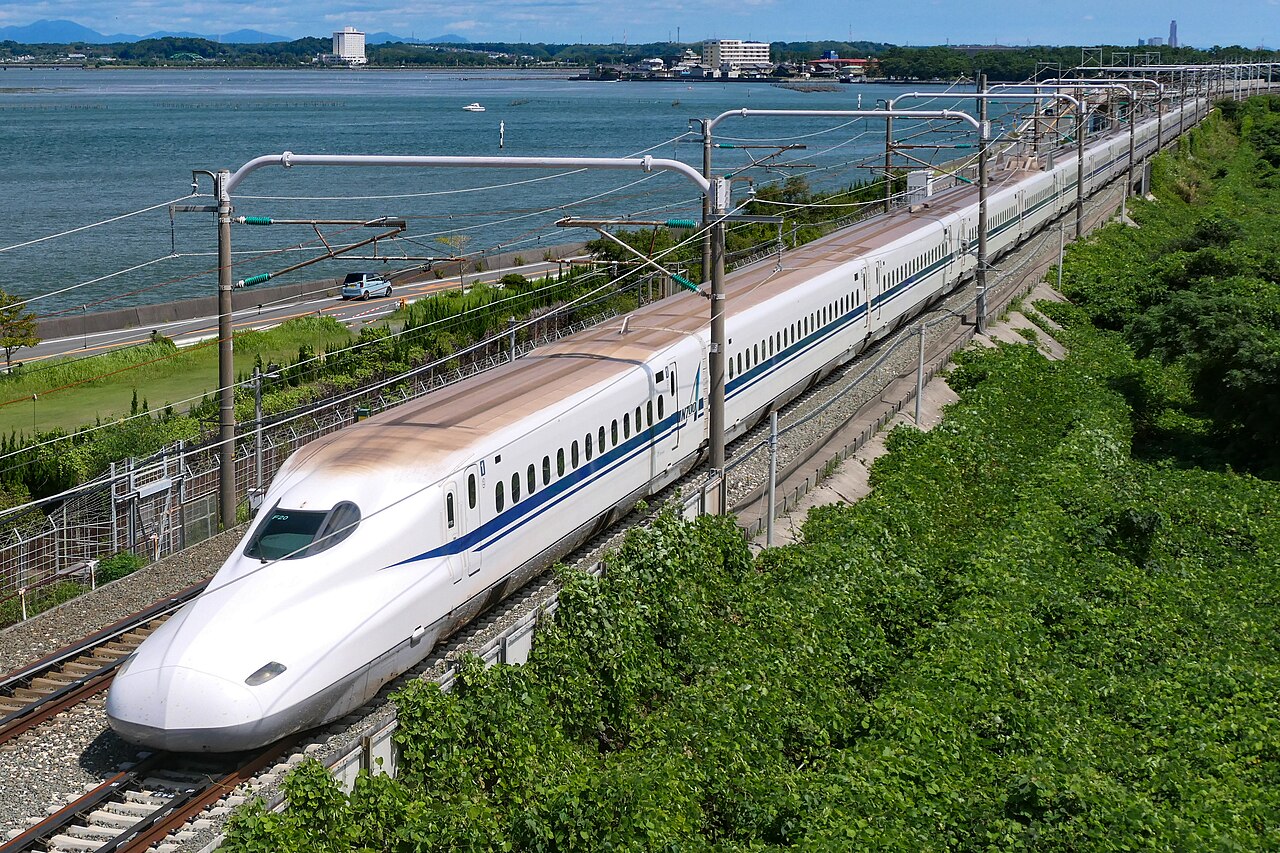
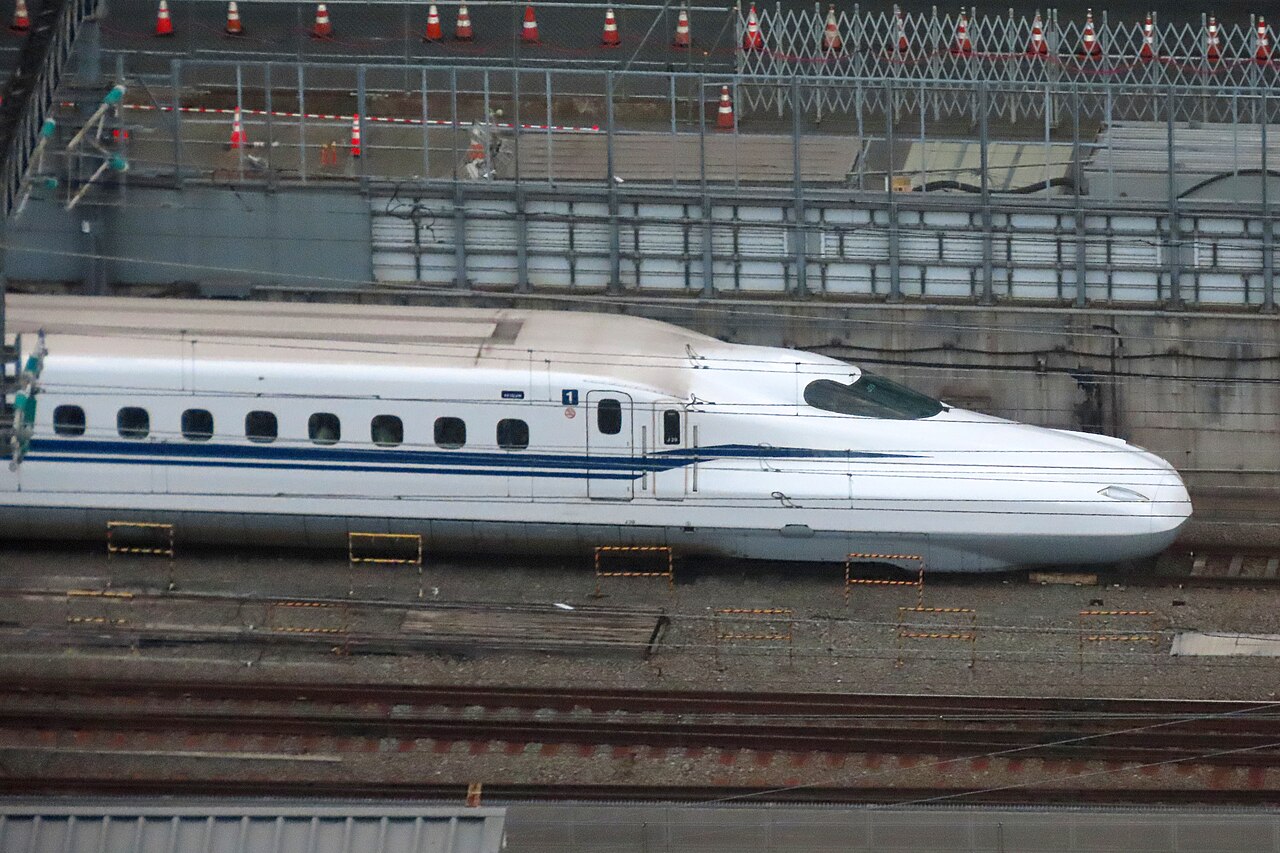
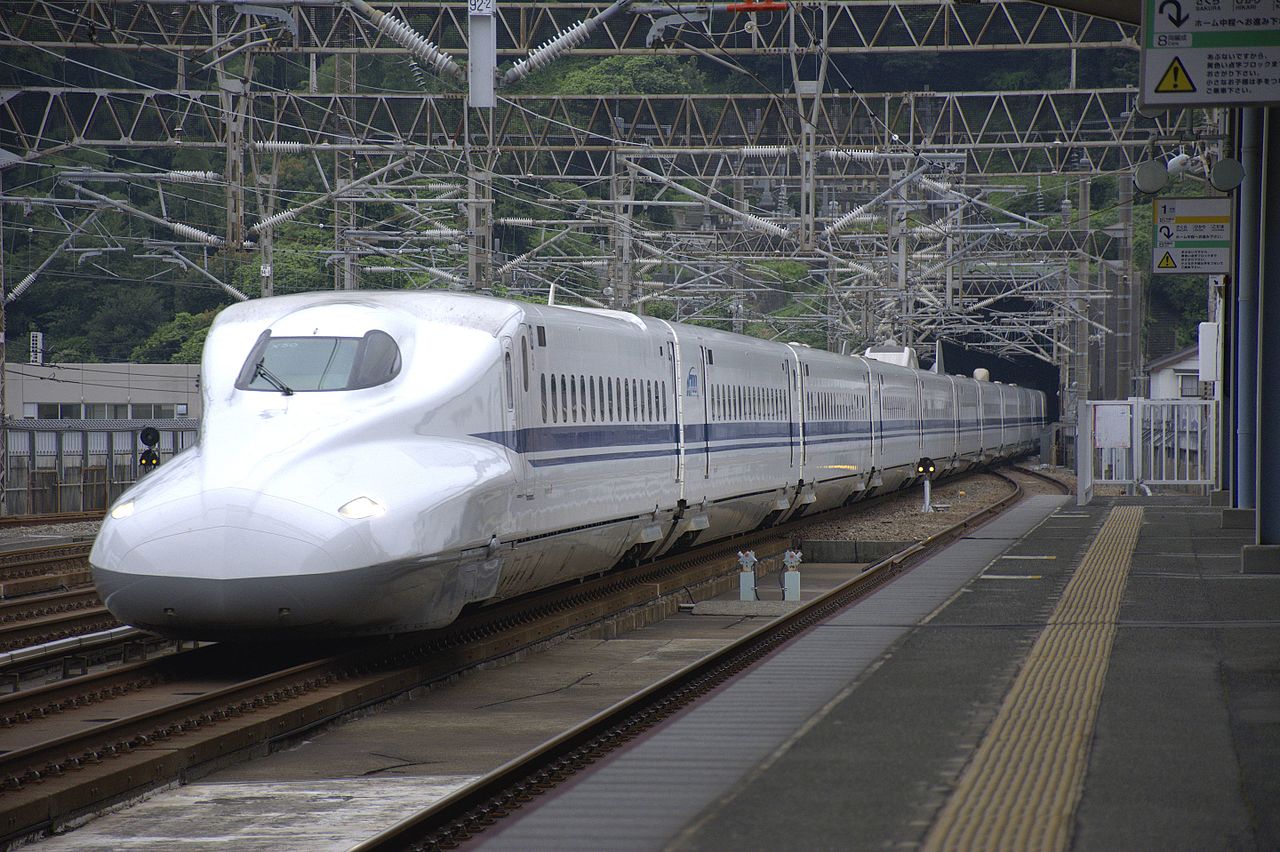
Nozomi shinkansen services commenced on 14 March 1992 using new 300 series trainsets with a top speed of 270 km/h, cutting the Tokyo–Shin-Ōsaka time to 2 hours 30 minutes — 19 minutes faster than the previous quickest service. Service was extended onto the San'yō Shinkansen on 18 March 1993 in cooperation with JR West, initially one train per hour and 5 hours 4 minutes between Tokyo and Hakata. Faster equipment followed: 500 series sets entered Tokyo–Hakata service in March 1997 at up to 300 km/h, cutting Shin-Ōsaka–Hakata to 2 hours 17 minutes; 700 series trains arrived in 1999; and N700 series trains were introduced from 1 July 2007 with four daily round trips. By the revised timetable of 17 March 2012 all regularly scheduled Nozomi, including Tōkaidō-only runs, were operated by N700 series sets.
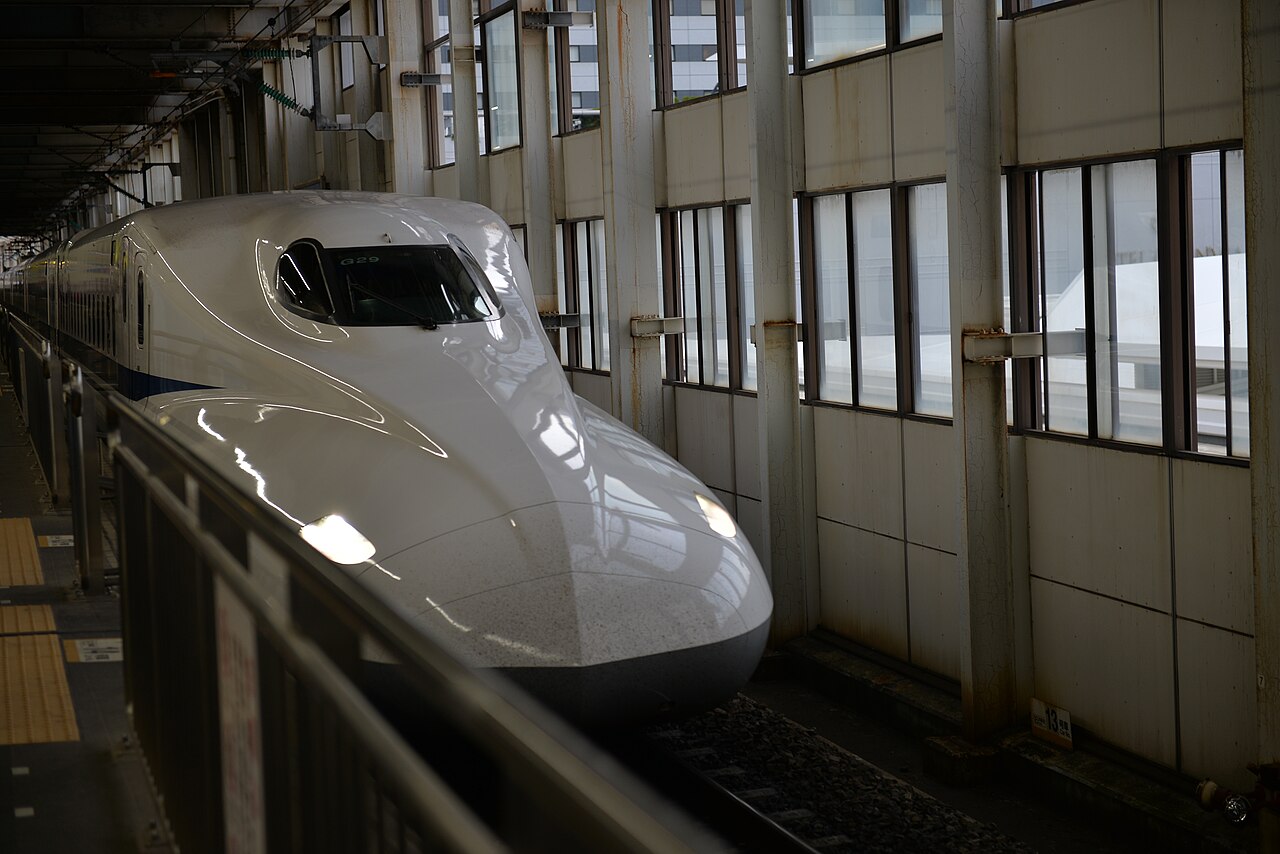
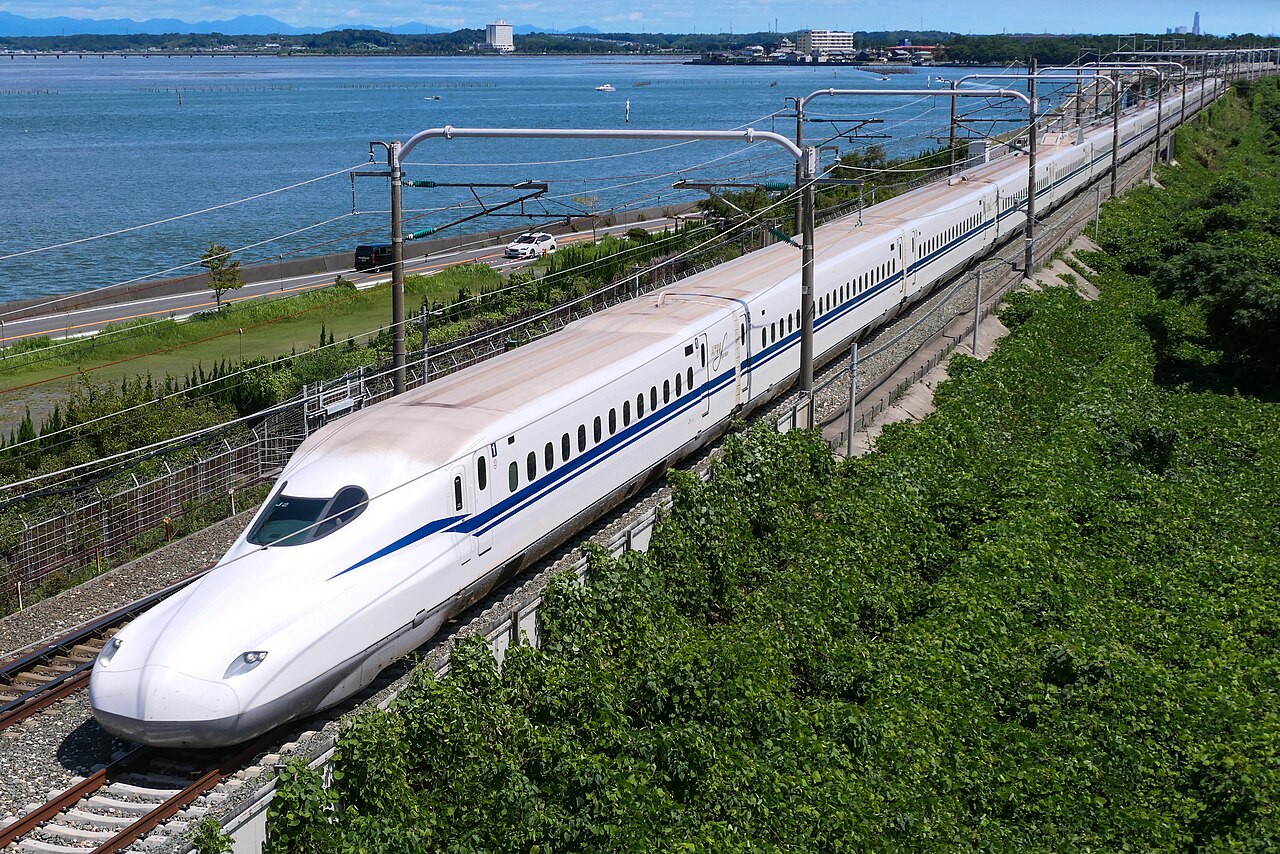
The Tokyo–Hakata Nozomi, traversing the full Tōkaidō and San'yō Shinkansen, has an actual running distance of 1,069.1 km. After the regular sleeper express Hokutosei ended at the 14 March 2015 revision — which also raised the Tōkaidō Shinkansen's top speed to 285 km/h — the Nozomi became the longest-distance regular passenger train in Japan. Newest equipment is assigned to Nozomi first: from 1 July 2020 the N700S series has run alongside the N700A, and as of 2025 services use primarily N700S sets with some N700A. With effect from December 2023, JR Central and JR West adjusted all Nozomi to reserved-seat-only operation during the three highest-ridership seasons — the New Year/Christmas period, Golden Week and Obon.
Timeline
- 1992Nozomi shinkansen services commenced on 14 March 1992, using new 300 series trainsets with a top speed of 270 km/h on the Tōkaidō Shinkansen between Tokyo and Shin-Ōsaka.
- 1993On 18 March 1993, Nozomi service was extended onto the San'yō Shinkansen in cooperation with JR West, initially one train per hour, taking 5 hours 4 minutes between Tokyo and Hakata.
- 1997From March 1997, 500 series trainsets entered Tokyo–Hakata Nozomi service, running at up to 300 km/h and covering Shin-Ōsaka to Hakata in 2 hours 17 minutes.
- 1999700 series trains were introduced on Nozomi services in 1999.
- 2007N700 series trains were introduced on Nozomi services from 1 July 2007, initially with four daily round trips.
- 2012From the revised timetable of 17 March 2012, all regularly scheduled Nozomi services, including Tōkaidō-only runs, were operated by N700 series sets.
- 2015At the 14 March 2015 timetable revision the Tōkaidō Shinkansen's top speed was raised to 285 km/h, and with the end of the regular sleeper express Hokutosei the Nozomi became the longest-distance regular passenger train in Japan.
- 2020From 1 July 2020, N700S series trainsets began operating Nozomi services alongside the N700A series.
- 2023With effect December 2023, JR Central and JR West adjusted all Nozomi services to operate with reserved seats only during the three highest-ridership seasons (New Year/Christmas, Golden Week and Obon).
Gallery 6 photos
Every photo for this page — tap any image to view it full-size. All from Wikimedia Commons (credit under each).